



Clear, 61°
Wind: mph,
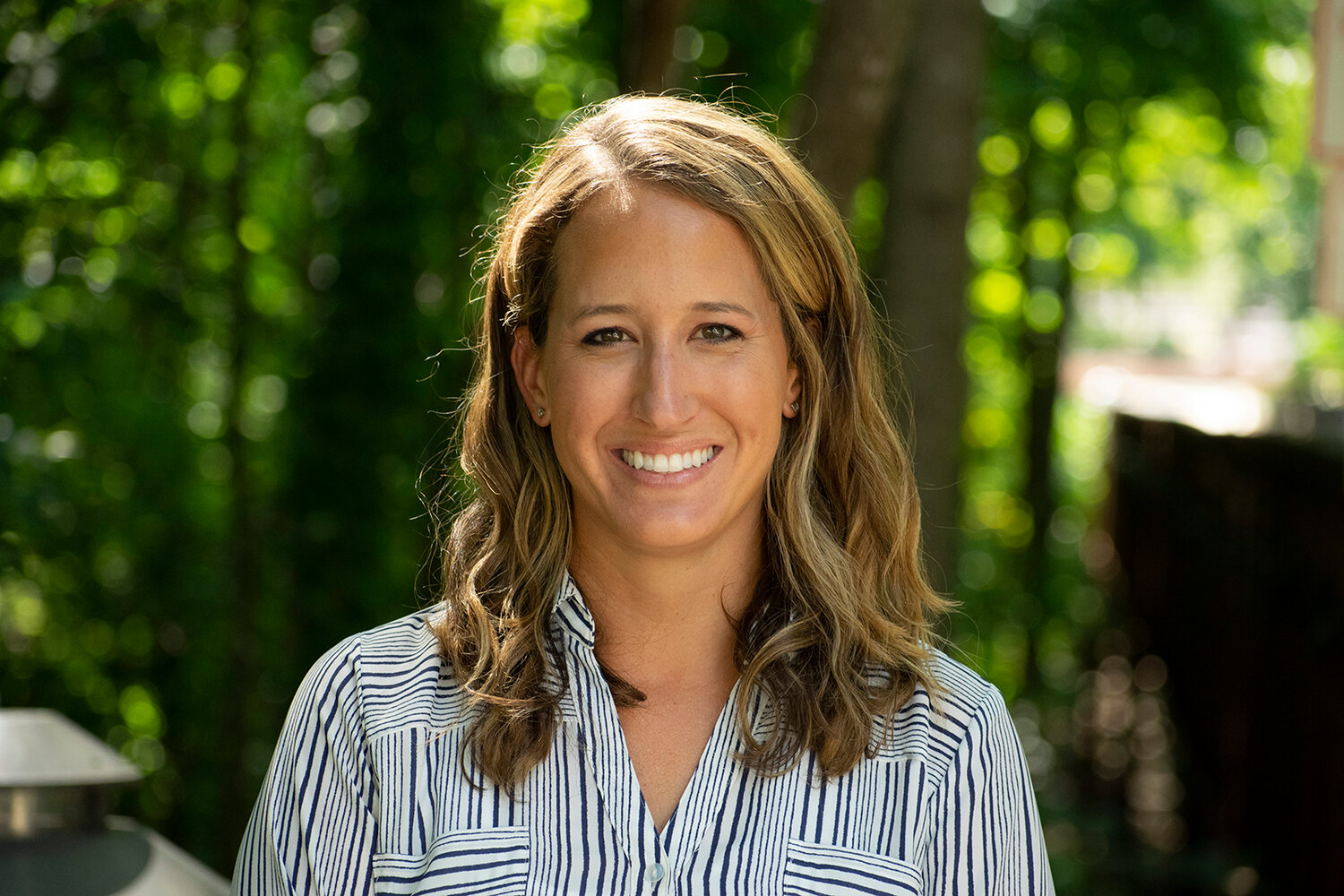
Lindsay Roark, academic chair and assistant professor for mathematics, has been in education for 16 years, first as a high school math teacher, and the past eight years at Anne Arundel Community College (AACC). But before she was a professor, she was a student.
“I took classes here at AACC about 20 years ago while I was home for the summer from York College of Pennsylvania,” Roark said. “I remember being really impressed by my professors and by the level of care they showed their students. I never imagined that years later I would be teaching here.”
As a professor or as a department chair, Roark said it pays to ask questions and make connections.
“I really like getting to know people. Call me nosey, but I really want to know about their lives, their journeys, what brought them to AACC, and what motivates them,” Roark added. “We all know math can be intimidating, and I want students to feel like they belong in the classroom and that they are capable of being successful mathematicians.”
As an educator, Roark believes that knowing her students helps her understand where they are coming from and how she can help them be successful. As a leader in the department, she seeks to discover and highlight her colleagues’ strengths and find ways to set them up for success.
“I think people do their best when they feel supported, valued and (like) they belong,” she said.
It’s hard to believe Roark once thought she wasn’t a “math person.” Her anxiety over math began in middle school, but a special high school math teacher helped her change the way she thought about math.
“I learned being good at math isn’t necessarily about being the person who can figure everything out immediately,” Roark said. “It’s about putting in the time, practicing, making mistakes and continuing to work at it, very much like practicing a sport.”
Once she realized she could be a math person, she learned what worked for her to be successful.
“That is a big part of what motivates me as a professor today,” she said. “I love helping students discover that they are capable of doing math and that math can open up so many doors for them.”
Roark believes one of the greatest strengths of community college is the variety of paths it can provide. Not all students come to AACC for the same reason or at the same point in their lives. She is amazed by and proud of students and how much they balance while enrolled, whether they are working, raising families, or caring for other people, and yet still prioritize their education.
“Community colleges can meet students where they are and help them get where they want to go. That might mean earning a degree, transferring to a four-year university, changing careers, gaining a new skill, or sometimes even discovering a goal they didn’t know they had,” Roark explained. “I think that flexibility is important because there isn’t one right path through college. We meet people where they are and help them find the path that works for their lives.”
She believes math is foundational to many fields that are shaping the future, such as computer science, artificial intelligence, data science, engineering, healthcare and others.
“I think understanding mathematics is important far beyond someone pursuing a STEM career. We are surrounded by numbers, statistics, graphs, percentages and data every day,” Roark explained. “We must be able to look at that information critically and understand what it is actually telling us. We’re living in a time when we are constantly presented with information, and sometimes that information can be misleading. Being able to understand numbers and statistics is an important part of being an informed person and making good decisions.”
When she’s teaching math, Roark isn’t just trying to help students pass their next test or course. She’s focused on helping them develop the problem-solving, critical-thinking and quantitative skills they will use for the rest of their lives.
As artificial intelligence evolves across the globe, AACC’s educators are having conversations about how the tools are changing jobs and industries, and the skills students will need when they graduate.
“We need students to understand not just how to calculate something, but why they are doing it and how to interpret the results,” Roark said. “I’m really interested in how we can make those connections more visible to students so they can see the relevance of what they are learning.”
Ultimately, she wants students to leave her classroom knowing they are capable of more than they may have believed when they walked in.
“That’s probably what makes coming back to AACC as a faculty member so special to me,” Roark said. “I was once an AACC student, and now I get to help other students find their path. That’s pretty amazing.”



Comments
No comments on this item Please log in to comment by clicking here