



Clear, 61°
Wind: mph,
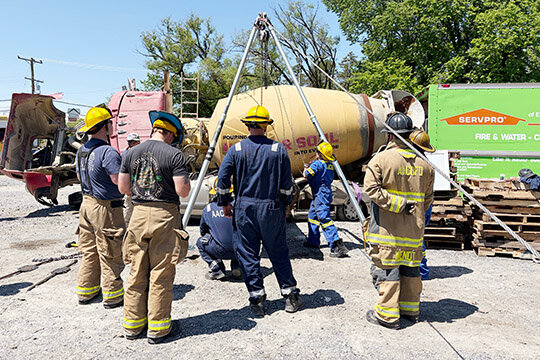
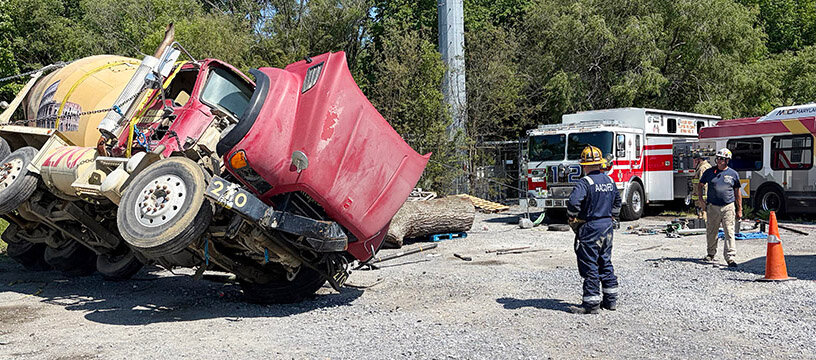
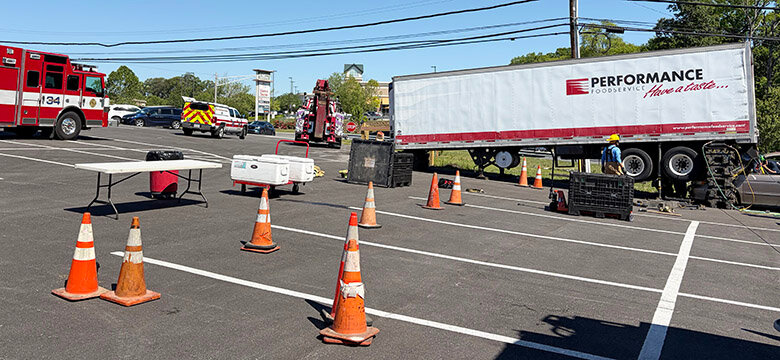
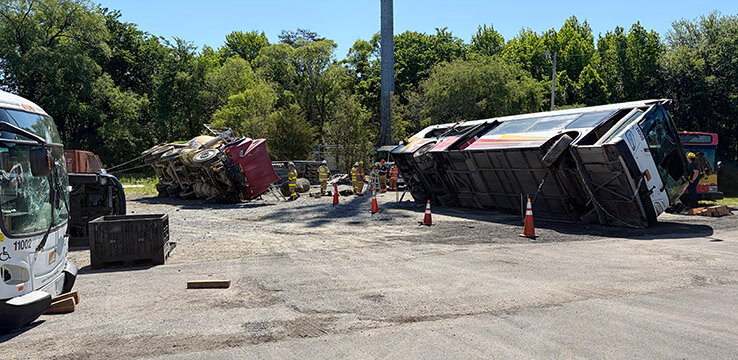
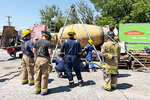
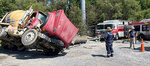
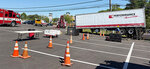
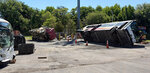
Maryland firefighters gathered during a May weekend for a hands-on training exercise designed to sharpen life-saving skills and improve response times during vehicle accidents. The training, hosted by the Earleigh Heights Volunteer Fire Company (EHVFC), focused on advanced techniques used to rescue victims trapped in wrecked vehicles — a critical component of modern emergency response.
Extrication training is essential for firefighters, as motor vehicle collisions remain one of the most common emergency calls nationwide. During the session, crews practiced scenarios involving severely damaged vehicles, simulating real-world crash conditions. Participants worked in teams to stabilize vehicles, safely remove doors and roofs, and carefully extract victims using hydraulic rescue tools commonly referred to as the “jaws of life.”
“This type of training is vital,” said EHVFC Assistant Chief Craig Blake. “Every second counts in an accident, and we need to ensure our firefighters can perform efficiently, safely and with precision.”
To create a realistic training environment, donated vehicles were placed in various positions — on their sides, upside down and tightly compressed — to mimic complex crash situations. Firefighters donned full protective gear, utilizing cribbing tools to stabilize vehicles before cutting into metal frames.
Instructors emphasized proper communication among team members and coordination with emergency medical services (EMS). This integrated approach ensures that while firefighters focus on freeing victims, medical personnel can begin stabilizing patients as quickly as possible.
“We’re not just lifting heavy vehicles,” Blake said. “We’re working around patients who may have serious injuries, so every move must be controlled and deliberate.”
Training also highlighted evolving vehicle technologies. Modern cars often include reinforced steel frames, airbags and electric components, including hybrid and electric vehicle systems that pose additional hazards during rescue operations.
Firefighters learned how to identify these features and adjust their techniques accordingly. Special attention was given to lifting heavy vehicles off of passenger vehicles, avoiding crushing the passenger vehicle and the occupants entrapped.
“Vehicles are constantly changing, so our training must evolve as well,” noted EHVFC Fire Chief Dave Crawford. “Our goal is to stay ahead of those changes to provide the safest and most effective rescue possible.”
While the training primarily benefits emergency responders, the ultimate goal is improved outcomes for the community. Faster, more efficient extrication can significantly increase survival rates and reduce the risk of further injury to accident victims.
Residents who observed the training expressed appreciation for the department’s commitment. “It’s reassuring to see how much preparation goes into what they do,” said local resident Emily Harper. “You hope you never need them — but if you do, you want them ready.”
EHVFC plans to continue conducting regular extrication drills throughout the year. Officials encourage community support, including donations of vehicles and volunteer participation, to help sustain these critical training opportunities.
“As firefighters, we train the way we fight,” Crawford said. “The more realistic our training, the better prepared we are to serve our community when it matters most.”


Comments
No comments on this item Please log in to comment by clicking here