



Clear, 51°
Wind: mph,
Do you have an old, crumbling or just unsightly concrete walkway, patio or driveway? If the concrete is settled and cracked structurally, it is often best to forego patch products and just replace the concrete altogether. If you decide to do the work yourself, here are some tips for a successful installation to ensure a quality concrete surface that will last a lifetime.
Are you replacing only the broken sections or the entire surface altogether? If you are only replacing sections, keep in mind the new concrete you pour will not match the existing concrete around it.
Decide whether you will use bags of concrete or have a bulk truck delivery. If pouring a smaller pad, bags may be more cost-efficient but will take longer to transport and mix. How will you transport the concrete from the road to where you are pouring? If you plan to use machines or a buggy to move the concrete, you will want to rent ground protection mats to reduce damage to your lawn (three-fourths-inch oriented strand board, or OSB, works as well).
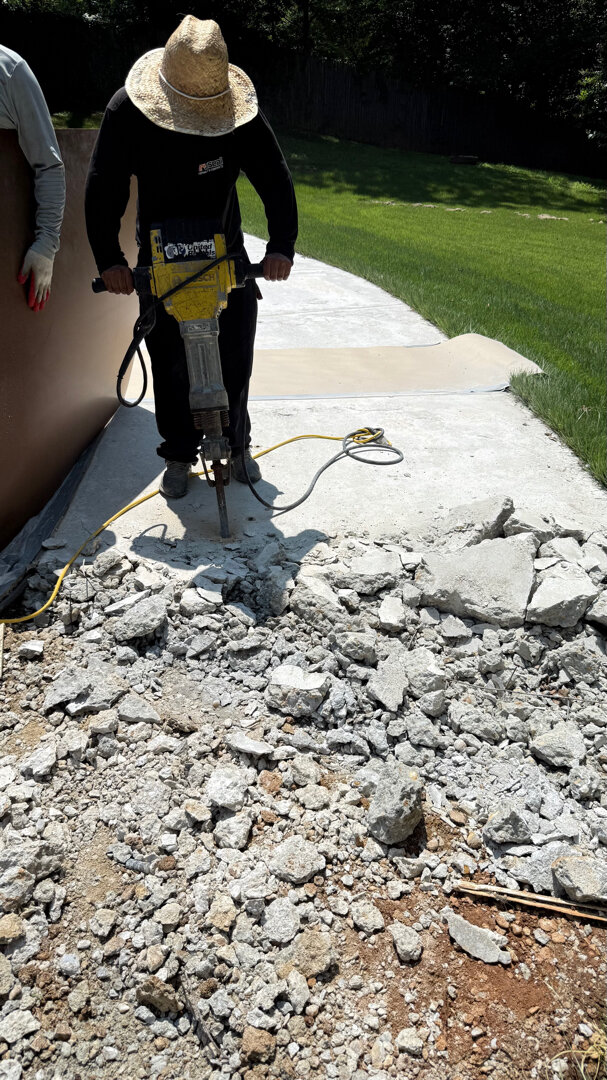
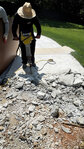
Once demolition is complete, it is time for excavation and base prep. Dig to a proper depth to accommodate the thickness of the concrete and stone base, and use a “crush and run” mix with three-fourths-inch stone and stone dust to achieve proper compaction. For a typical sidewalk or patio where you will have foot traffic only, 4 inches of concrete and 4 inches of stone base is sufficient. If heavier trucks will be using the concrete surface, 6 to 8 inches of concrete may be necessary.
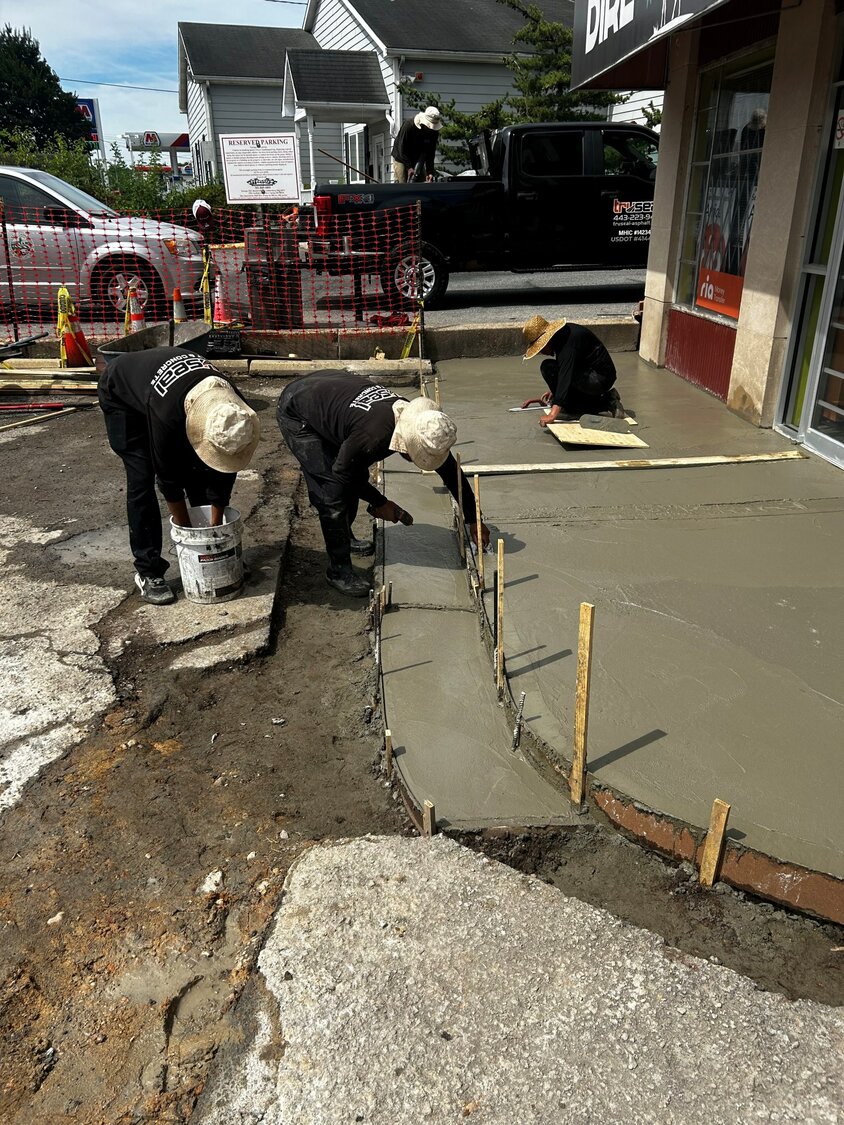
Spread, rake and tamp your base material evenly, and install the base slightly wider and longer than the dimensions of the concrete you will be pouring. Ensure you install lumber forms that are not only square but also are properly braced with additional lumber or metal pins so they do not move out of place when you pour your concrete. Set your forms so that there is a minimum 1% slope to allow surface water to drain off the concrete.
Consider using wire mesh or rebar re-enforcement to strengthen your concrete. The type and spacing of this depend on how the new concrete surface will be used. The heavier the anticipated loads on the concrete will be, the shorter the rebar spacing should be. Tie intersecting pieces of rebar together with tie wire. Wire mesh is typically sufficient for foot-traffic surfaces; be sure to ask about the plan for “fiber reinforcement” into the concrete mix for your delivery.
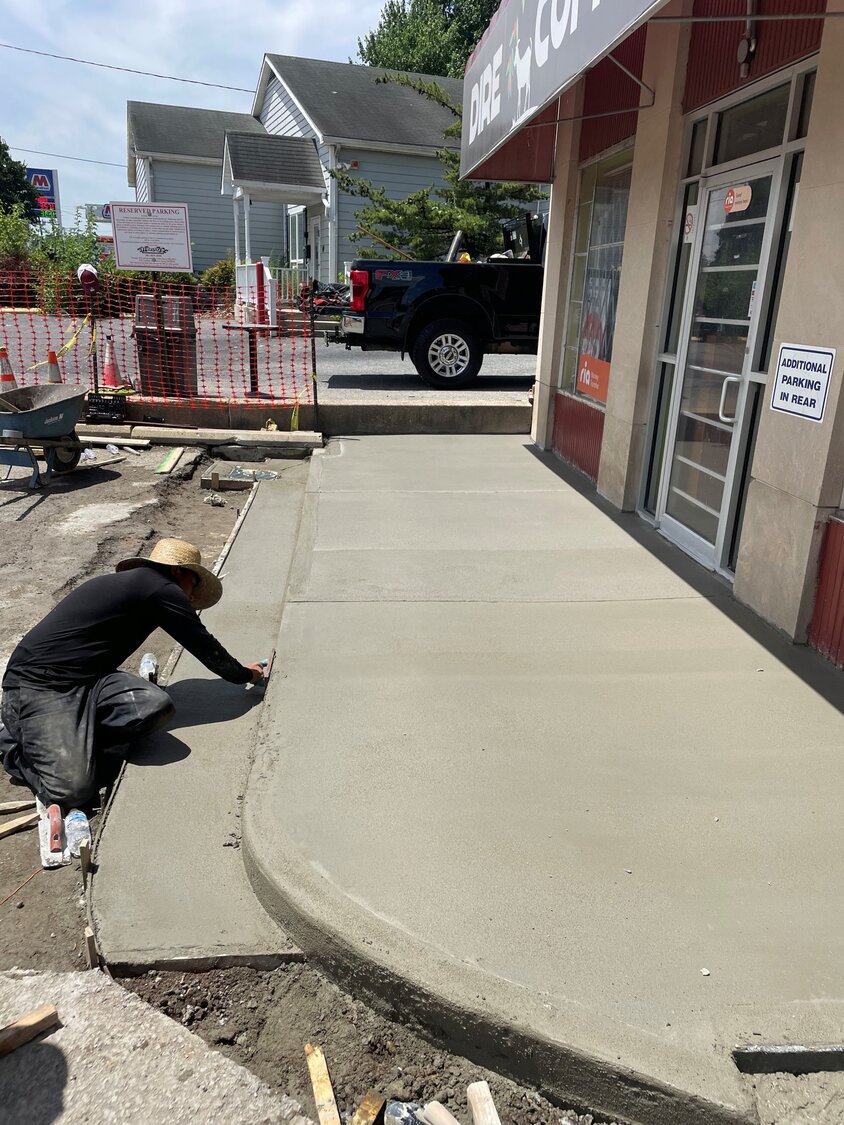
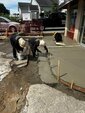
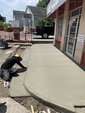
Pour the concrete and use a level piece of wood to “screed” the concrete across the top of your forms to ensure there are no dips/low areas. Use a hammer to “tap” the outside of your form work lightly; this allows the concrete to fill in along the edges and reduce voids. Lastly, if the new surface will be outside, consider a broom finish to ensure it will be a less slippery surface.
Wait a few days at minimum to allow the fresh concrete to begin to cure. Use a penetrating siloxane or silane sealer (typically water or solvent based) that will chemically bond to the concrete substrate. Tape off any adjacent surfaces that you do not want to receive the sealer. Working in sections, use a pump sprayer to liberally apply it “until rejection,” or until you notice the sealer no longer soaks into the concrete.
For more information, contact TruSeal Asphalt & Concrete at 443-740-2485 or visit www.truseal-asphalt.com.


Comments
No comments on this item Please log in to comment by clicking here