



Mostly Clear, 54°
Wind: mph,
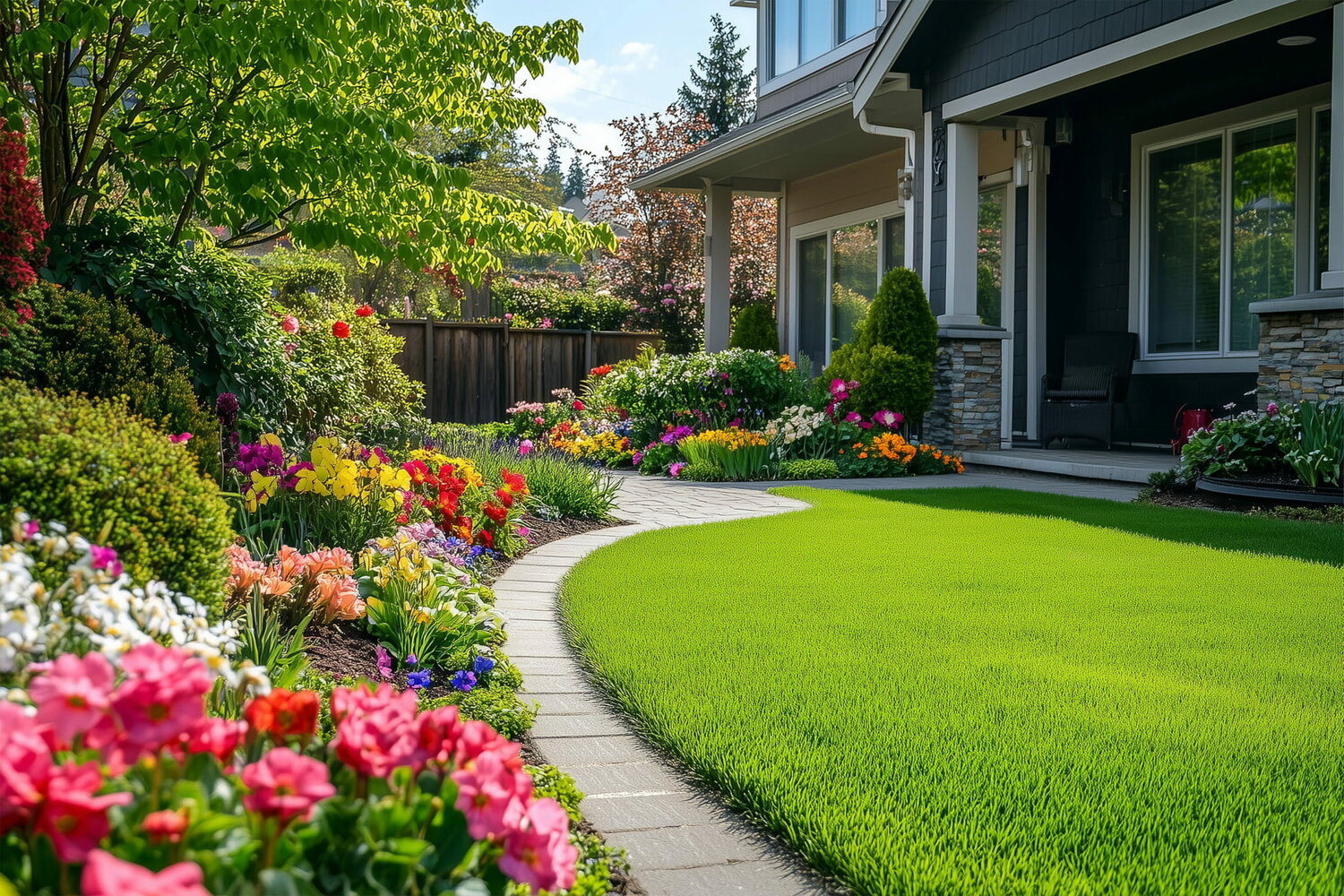
For generations, the iconic green lawn has symbolized pride in homeownership and community care. Turfgrass plays an important role in our landscapes: it prevents soil erosion, absorbs rainwater, cools the air, and provides space for recreation. In regions like Maryland, healthy lawns can help manage stormwater runoff and reduce heat around homes during humid summers. Grass certainly has its place in our neighborhoods.
However, as environmental awareness grows, many homeowners are rethinking how much lawn they truly need. Expanses of grass require frequent mowing, fertilizing and watering — input that costs time and money. By converting portions of your lawn into garden beds, you can create landscapes that are not only beautiful but also functional and ecologically beneficial.
Gardens provide something lawns cannot: biodiversity. Flowering perennials, native shrubs, herbs, and vegetables attract pollinators such as bees and butterflies, along with beneficial insects and birds. A diverse garden creates habitat and food sources that support local ecosystems. Even replacing a modest strip of grass along a fence line or front walkway with native plants can make a measurable difference.
Growing gardens also improves soil health. Deep-rooted plants loosen compacted soil, increase organic matter, and enhance water infiltration. Vegetable gardens, in particular, transform yards into sources of fresh, nutritious food. Tomatoes, peppers, leafy greens and herbs can thrive in small raised beds or in-ground plots, reducing grocery costs and increasing food security for families.
Importantly, shifting toward more gardens does not mean eliminating grass entirely. Lawns remain valuable for play areas, pets, gatherings and visual openness. The goal is balance. Knowledgeable professionals can help you create a thoughtfully designed landscape to include a functional lawn space surrounded by layered garden beds, native plant borders, and edible plantings. This approach maintains the practical benefits of turf while maximizing ecological impact.
From a financial perspective, well-designed gardens can enhance curb appeal and property value. Colorful plantings create visual interest throughout the seasons, while edible landscapes offer both aesthetic and practical returns. Over time, reducing lawn area can lower maintenance expenses, particularly when replacing high-maintenance turf with drought-tolerant plants.
Ultimately, the conversation is not “grass versus gardens.” It is about intentional landscaping. By asking how much lawn we truly use — and where gardens could serve us better — we can create outdoor spaces that are more sustainable, resilient and rewarding. Expanding garden spaces supports pollinators, strengthens soil, produces food, and reduces resource consumption, all while preserving the areas of lawn that still serve an important purpose.
As communities look toward greener futures, growing more gardens alongside thoughtfully maintained grass offers a practical and beautiful path forward.
Trusting Evergreen Gene’s to handle these tasks ensures that your landscape receives the care and attention it deserves, leaving you with a beautiful and thriving property to sit back and enjoy. Contact the team at www.evergreengenes.com or call 410-766-6877 to schedule a free estimate. Evergreen Gene’s is located at 401 Crain Highway South in Glen Burnie.


Comments
No comments on this item Please log in to comment by clicking here