


Clear, 78°
Wind: mph,
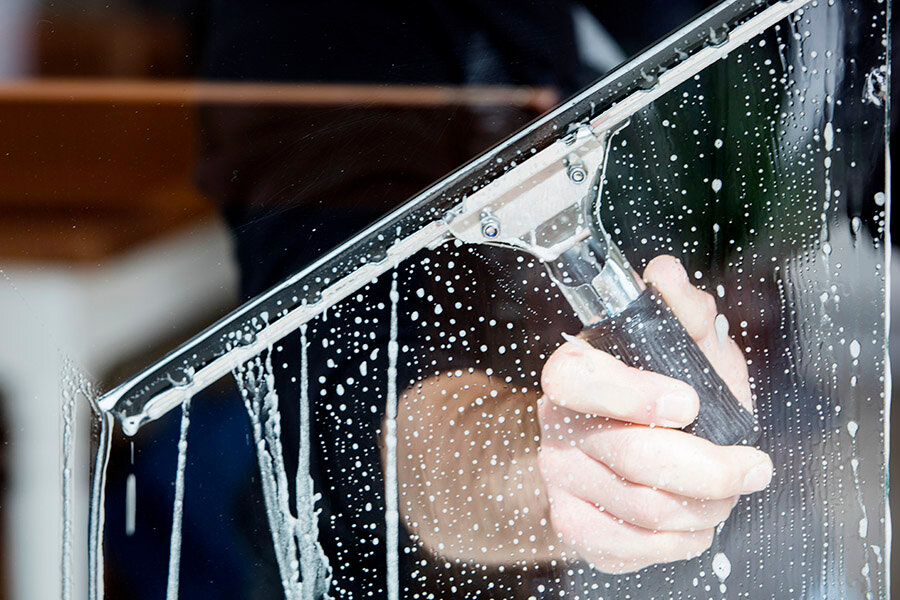
Regular exterior cleaning is an important part of property maintenance. Window cleaning, soft-washing and roof treatments can improve curb appeal while protecting surfaces from buildup, staining and premature deterioration.
Window Cleaning Benefits
Professional window cleaning removes dirt, pollen, mineral deposits and other contaminants that can reduce the appearance and clarity of glass. Clean windows allow more natural light into a home or business and help maintain a fresh, well-kept appearance.
For most properties, windows should be cleaned at least twice a year, typically in the spring and fall. Properties exposed to heavy pollen, coastal conditions, construction dust or sprinkler overspray may benefit from cleaning every three to four months.
Soft-Washing for Different Types of Siding
Soft-washing uses low-pressure water combined with cleaning solutions to safely remove algae, mildew, mold, dirt and other organic growth. Because it relies on cleaning solutions rather than high pressure, it can be a gentler alternative for many exterior surfaces.
Recommended cleaning frequencies include:
Homes surrounded by trees or exposed to high humidity may require more frequent cleaning.
Preventing Hard-Water Stains
Hard-water stains are caused by minerals left behind when water evaporates. They are especially common on windows exposed to sprinkler systems, well water or frequent water runoff.
|
Surface and Exposure
|
Recommended Frequency
|
Prevention Focus
|
|
Glass Near Sprinklers
|
Every eight to 12 weeks
|
Stops recurring irrigation overspray from baking into glass
|
|
Standard Windows
|
Two times per year (spring/fall)
|
Removes general airborne minerals, rain spots and pollen
|
|
Full House Soft-Wash
|
Every 12-24 months
|
Prevents acidic siding buildup from running down onto windowpanes
|
|
High Heat and Coastal Zones
|
Every three to four months
|
Eliminates salt-spray film and heat-accelerated mineral bonding
|
Treating Roofs for Mold and Moss
Roof treatments can help control moss, algae and mold growth before these contaminants become a larger maintenance problem. Moss can retain moisture against roofing materials, while organic growth can contribute to discoloration and deterioration over time.
A professional roof treatment can improve the roof’s appearance, control existing organic growth and support longer-lasting roofing materials. In many cases, roofs should be inspected and treated approximately every one to three years, depending on the roof material, shade, moisture levels and surrounding vegetation.
Regular exterior maintenance is ultimately preventative maintenance. Establishing a cleaning schedule based on your property’s materials and environmental conditions can help preserve appearance, protect surfaces, and reduce the likelihood of costly repairs.



Comments
No comments on this item Please log in to comment by clicking here