


Clear, 66°
Wind: mph,
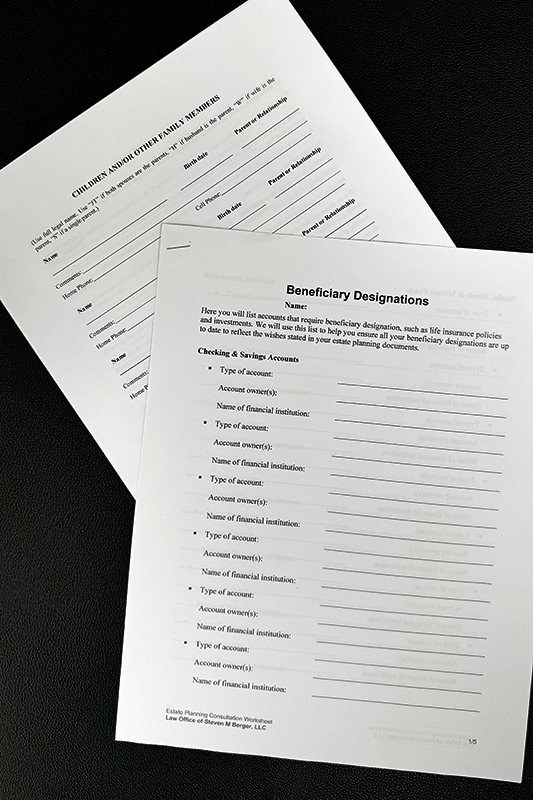
A client recently told me that a banker suggested naming “POD,” or payable-on-death, beneficiaries on her bank accounts because it would make things easier for her children someday. It is common advice, and it is usually well intentioned. But while beneficiary designations can be useful in the right circumstances, they are not always the simplest or safest solution.
I have seen how even close-knit families can run into confusion or conflict when account ownership and beneficiary designations are not coordinated with the overall estate plan. One common issue arises when a parent names one child as beneficiary simply for convenience. After the parent’s death, that child is the sole beneficiary of the account, and the parent’s intent for the funds to be shared among any siblings or used for final expenses is thwarted.
Serving as personal representative does not automatically mean that child should also be the beneficiary of the account. In fact, opening a probate estate may be required to provide funds for expenses of the estate such as readying the house for sale, maintenance or income and property taxes. A small shortcut can lead to lasting consequences.
For many, a better approach is to name a living trust as the beneficiary. This allows the trustee to access the funds after death, pay appropriate expenses, and distribute the remaining balance according to the person’s wishes.
If you do not have a living trust, take time to think through how the account should be used and who should receive it. For example, if you have three children and want the account available for funeral expenses, naming all three children rather than only one can help reduce misunderstanding. A letter of instruction may also be helpful, although it is not legally binding. Another option is to leave the account to your estate, so it passes through your will. Probate may be required, but the ownership and intended use of the funds may be clearer.
Consider this example: A parent names a son as the sole payable-on-death beneficiary of a bank account, while life insurance proceeds are divided equally among the three children and an IRA is left to a grandchild. After the parent’s death, the son may believe the bank account is his and decline to use it for funeral expenses. The daughters may feel the same way about the life insurance proceeds, and the IRA beneficiary would have taxable consequences if the account is liquidated. Each person may be legally correct, but the outcome can still create delay, frustration and strain within the family.
Thoughtful planning can help ensure your assets are used as intended and can spare your loved ones unnecessary conflict during an already difficult time.
If you are unsure whether your bank accounts, beneficiary designations and estate plan work together as intended, now is a good time to have a conversation with an estate planning attorney who can help identify potential problems before they affect your loved ones.
Paula M. Mattson-Sarli is an experienced estate planning and elder law attorney. Her office is located in Severna Park. Call 410-777-5916 for more information.


Comments
No comments on this item Please log in to comment by clicking here