


Clear, 61°
Wind: mph,
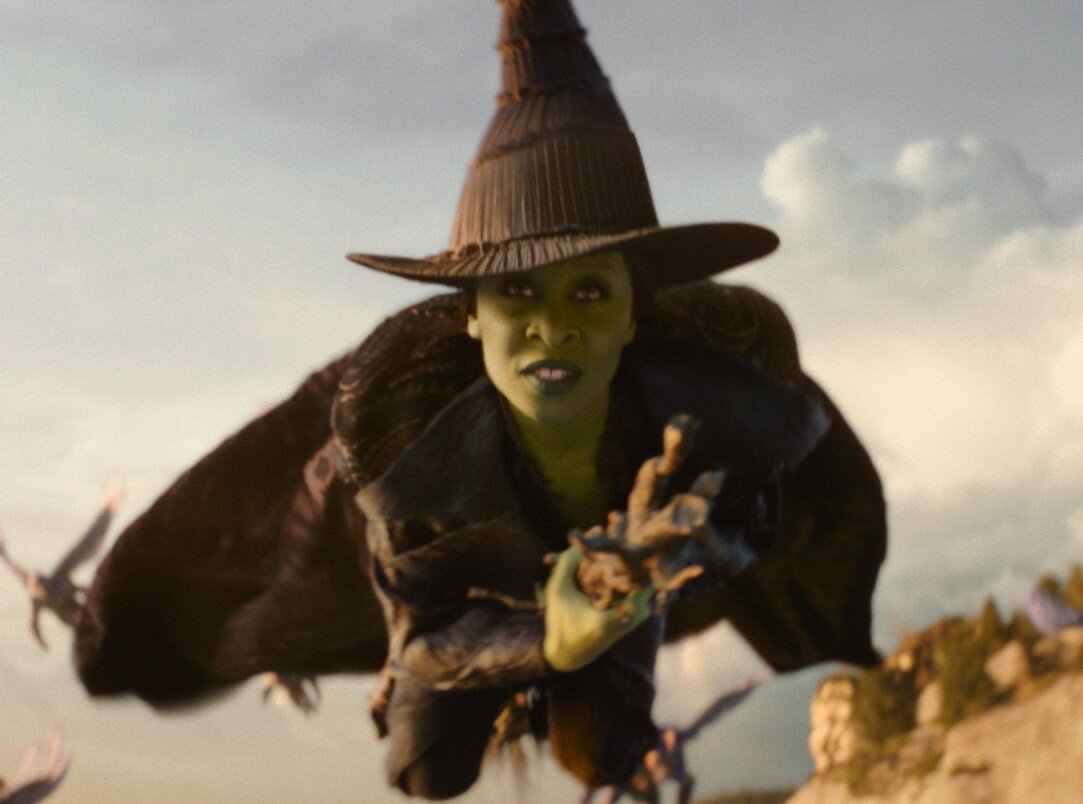
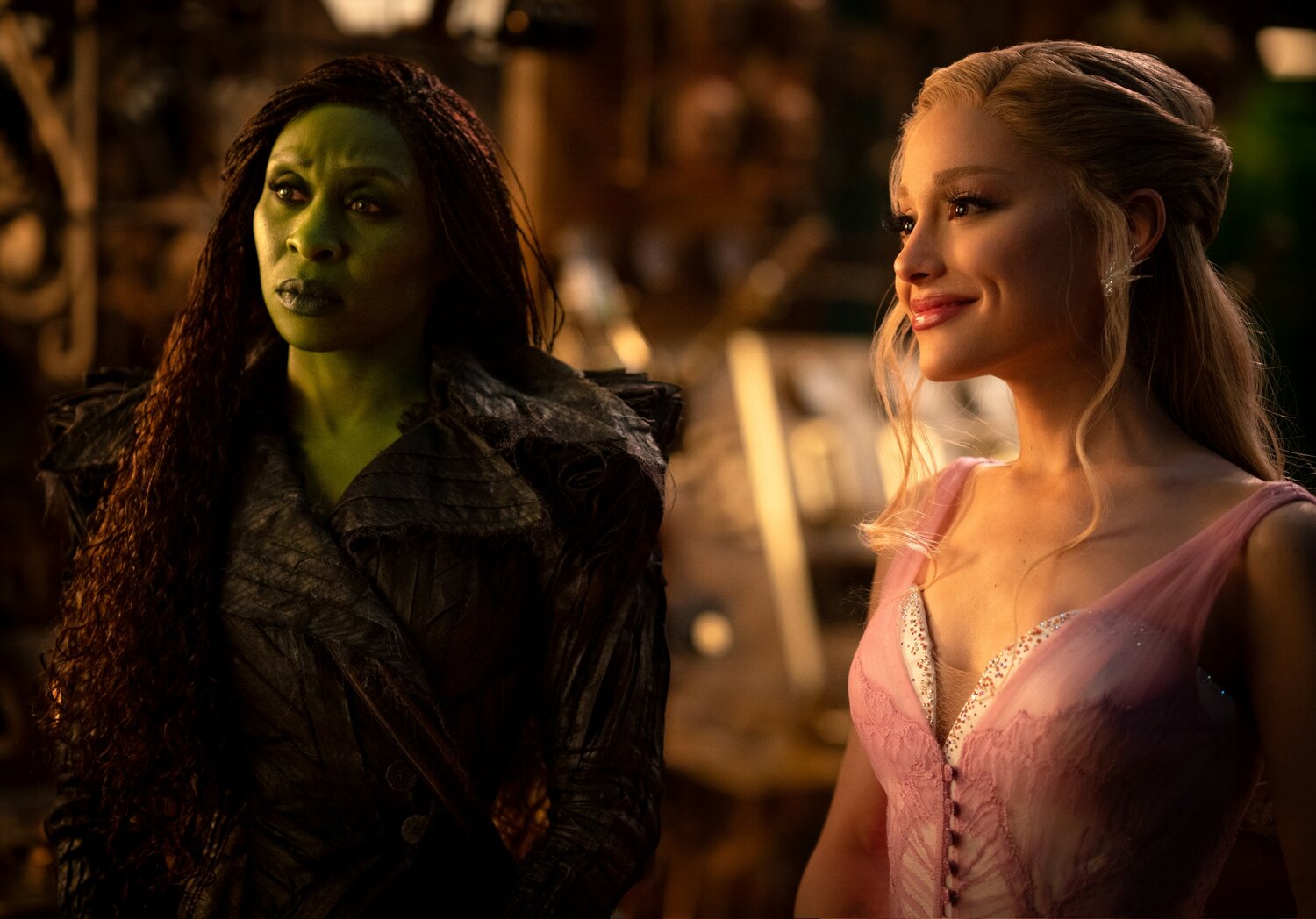
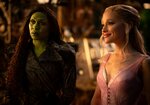
I enjoyed the first installment of “Wicked” — you can read my thoughts on it here. Despite all the drama surrounding the production and the inevitability of upsetting musical fans, I generally found it to be a visually delightful experience with catchy songs and fairly decent casting for a film with a general audience. The production has to balance Broadway vocal chops with ticket-selling celebrity names, and it does well despite a couple of misses — it’s reminiscent of “Les Miserables” (2012). I didn’t even have an issue with the pacing because I was quite invested in the story, though I can understand it would be tedious to some people.
“Wicked” is a bit of a challenge to critique — it’s a film adapted from a musical adapted from a book adapted from another book — but it’s been fascinating to watch a modern interpretation of a story that has had so much staying power over the decades.
Unfortunately, “Wicked: For Good” isn’t as cohesive, for one simple reason: It tries to combine the extreme darkness of its subject matter with the whimsy of a musical and the color palette of Dr. Seuss, which doesn’t quite work. It makes an attempt; the second act is meant to juxtapose the hollow reality of Oz against the magical facade shown in the first act, so it makes sense for the lighting to be flat and gloomy.
But it doesn’t fully commit, and perhaps this is a limitation of the genre — the original musical writers chose not to kill the villain because the story had to be child friendly, for example. It’s certainly possible to mix campiness with intensity in a tasteful but entertaining way (see “Death of Stalin” from 2017) but not when you’re trying to create a marketable product for kids that sells pink Glinda collector cups.
Underneath the childish outfits, colorful fields and flashy yellow brick road, this is a dark story and one that is surprisingly relevant in 2025. The Wizard of Oz retains power despite his fraudulent nature because he scapegoats and blames others and literally takes away their voice.
Elphaba questions why Oz won’t reveal the wizard’s fakery, and he replies that the populace wouldn’t believe him even if he did. They will believe what they want to believe, no matter how hateful or misguided they are, and he’s probably right about that. At times, the film can get woefully close to home; Elphaba laments her love for a place that has never loved her. She loves the idea of Oz and wants to make that ideal come true, because there is no place like home and home is worth defending. That familiar and weary sentiment, in musical form, brought me to tears.
In the end, “Wicked: For Good” gives us a rather pessimistic but perhaps realistic conclusion: Elphaba feels that nobody will ever accept her as the voice of truth, no matter how sincere she is, because people prefer “alternative facts,” and she has to hand over the torch to a pretty face who will be better received. She decides she has earned her peace and the right to walk away from a land that never treated with her respect. I’m not sure how I feel about that message.
Ultimately, the threads don’t come together in “Wicked: For Good.” The film is too afraid to truly reckon with its own darkness; it sets the tone as a whimsical musical for children, then walks itself into a corner. It’s frustrating because parts of it are so well executed - Glinda’s realization she has been maintaining the status quo by pretending to be happy, Fiyero’s love for Elphaba’s sincerity, the chemistry between the two witches — but other parts just fall completely flat.
The writers make sensible changes to underscore realism: Madame Morrible is changed to be more human, a Dick Cheney-esque figure whose true power is appearing benign and manipulating gullible figureheads from the shadows, rather than being the face of power herself. Michelle Yeoh is a good choice for that sort of character. Nobody can contest her acting abilities in more nuanced stories, but once her villainous nature is revealed, she has to revert to the campy, one-note evil of the musical’s Morrible, and Yeoh just isn’t good at that. The resolution for her character feels unsatisfactory, much like the conclusion of the film in general. Fascism just disappears because Glinda says so? The happy ending feels too easy, and too muddled, given its earlier moral complexity.
Like so many stories of its ilk (think “Arcane”), the “Wicked” franchise successfully retrofits a politically and socially aware story from simplistic source material, gets the audience hooked, and then has no idea how to resolve those problems in a satisfying or sensical way. I left the theater contemplative but unsatisfied.


Comments
No comments on this item Please log in to comment by clicking here