


Clear, 73°
Wind: mph,
Gone are the days when aging was viewed as a dreaded journey marked by decline, isolation and loss of independence. For today’s seniors and the generations walking alongside them, aging is being redefined. As we look ahead to 2026, older adulthood is increasingly shaped by choice, connection and the opportunity to live fully at every stage of life.
I remember watching my own mother move into the later chapters of her life. What she wanted most was not to be managed or relocated but to remain in her home, keep her routines, and stay connected to the people and memories that mattered most. Her desires reflect what research continues to confirm. Nearly 90% of adults ages 65 and older want to remain in their homes for as long as possible, according to findings from AARP’s Home and Community Preferences Survey. Independence and familiarity remain central to healthy aging.
One of the most promising trends shaping 2026 is the continued growth of aging in place. Safe and supportive home environments are strongly associated with better physical health, fewer hospitalizations, and improved emotional well-being for older adults.
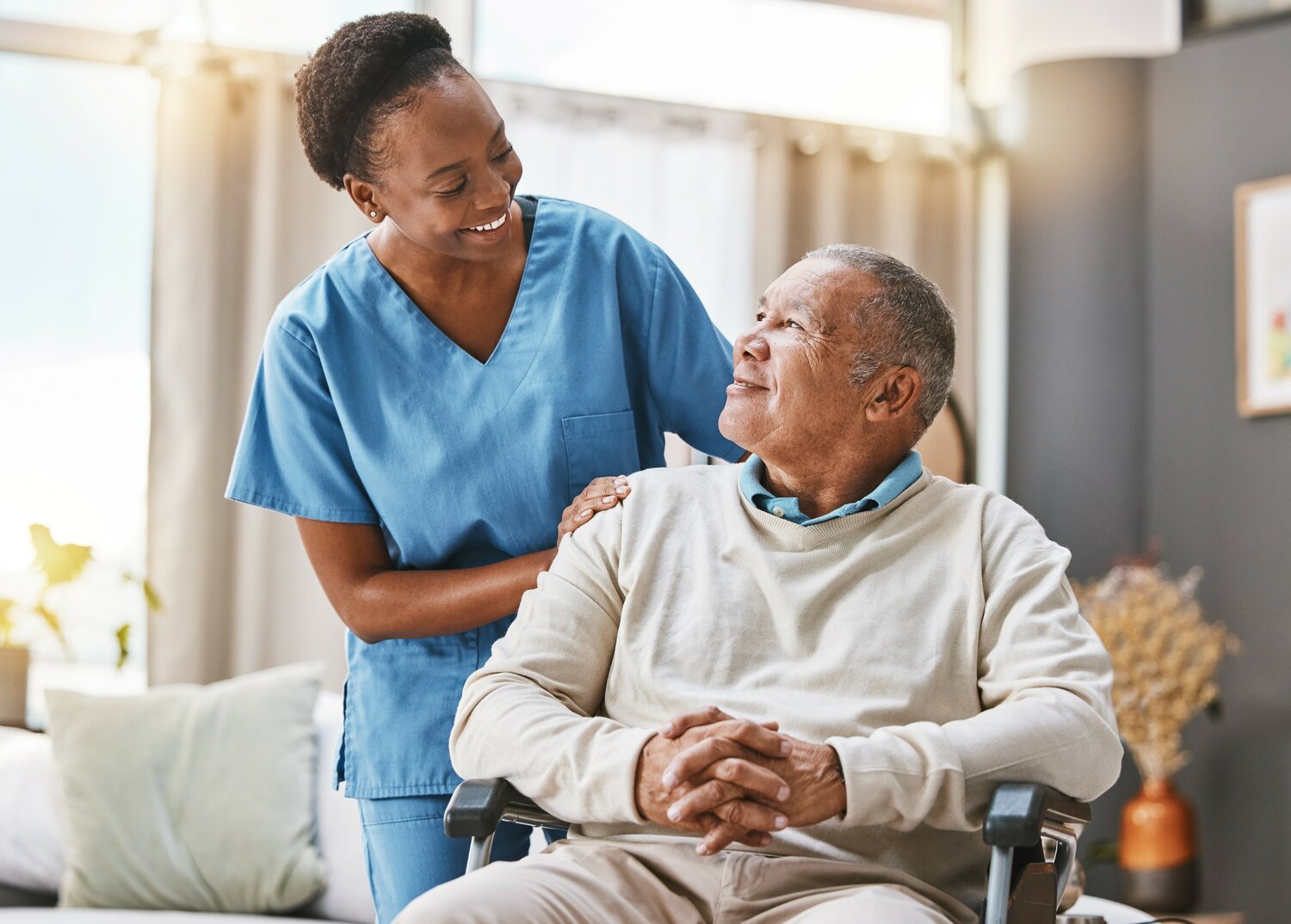
Home-based care allows seniors to remain active participants in their own lives rather than passive recipients of care. Personalized support with daily activities, mobility, meals, and companionship creates stability while preserving dignity and autonomy.
Another powerful shift taking shape in 2026 is a renewed emphasis on intergenerational connection. In some families, this coming together is intentional. In others, it is shaped by economic realities such as rising housing costs and adult children living at home longer. In practice, it is often a blend of both.
As generations grow more connected, a key question comes into focus: can independence be preserved while living more closely together? The answer, increasingly, is yes.
When the right support is in place, intergenerational living becomes a source of strength. Younger generations gain empathy, patience and perspective through shared experience rather than obligation. Caregivers often serve as steady bridges, allowing relationships to deepen without pressure or burnout. As a result, seniors experience reduced loneliness and renewed sense of purpose.
Loneliness has long been one of the greatest challenges facing older adults. In 2026, we are seeing a growing emphasis on companionship and meaningful relationships. Seniors are seeking deeper connection through community activities, faith-based gatherings, and one-on-one companionship at home.
These relationships have a direct impact on emotional well-being and overall quality of life, reinforcing that connection is not optional in aging well. Caregivers are increasingly viewed not simply as helpers but as trusted companions.
Relationship-centered care aligns with research showing that consistent caregiving relationships reduce stress, support emotional health, and enhance overall quality of life for seniors.
The future is not something to fear. For today’s seniors, 2026 holds promise, possibility and the comfort of knowing support is always within reach. Aging is not a loss. It is a continuation of a life still rich with value, connection and meaning.
At Lean On Dee Senior Home Care Services, this vision of aging guides everything. As they step into 2026, the team remains committed to helping seniors and their families move forward with confidence, peace of mind, and the reassurance that no one has to navigate this season of life alone. For more information, call 410-449-4538.


Comments
No comments on this item Please log in to comment by clicking here