



, 73°
Wind: mph,
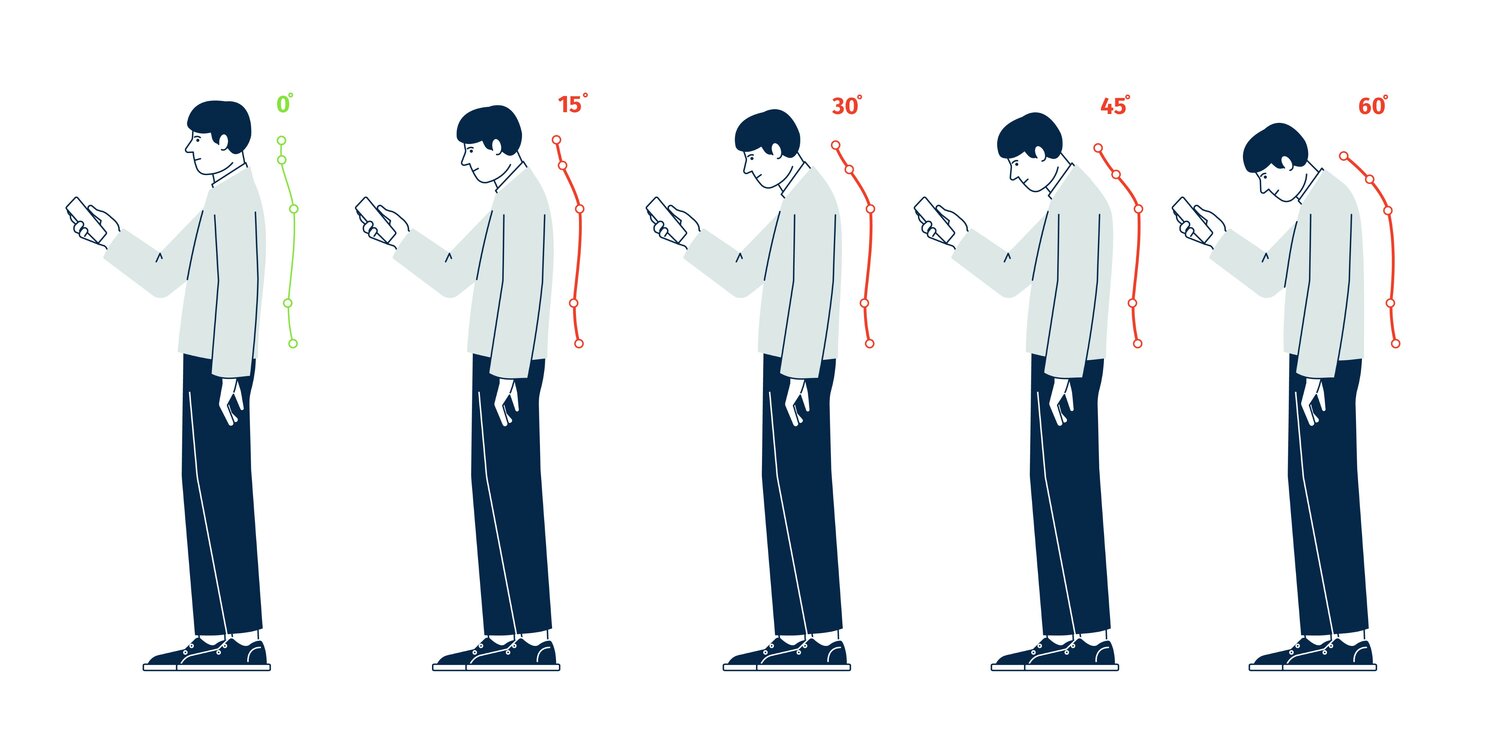
Over the past decade, smartphones, tablets and laptops have become an everyday part of life for children and teens. While technology brings educational and social benefits, local health professionals are noticing a growing concern: the effect of increased screen time on young people’s posture.
Families in our practice report that more children are experiencing symptoms once largely seen in adults: stiff necks, rounded shoulders, mid-back tension and headaches. The root cause often comes back to long hours spent looking down at screens.
“Tech neck,” a term used to describe the forward-head posture commonly seen while using devices, places extra strain on developing muscles and joints. Even small changes in posture can add significant stress on the spine when held for long periods.
Children and teens are still growing, which means poor posture can influence musculoskeletal development. Extended sitting also reduces physical activity and core strength, two factors that help maintain a healthy spine.
In conversations with local families, many parents say they struggle to balance screen time with schoolwork, socializing and downtime. Remote learning during recent years increased device use even further, creating habits that have been hard to reverse.
While these symptoms are usually mild, they may indicate that posture habits need attention.
The good news is that small changes can make a big difference. Recommendations include:
Even simple awareness, such as reminding kids to sit tall or relax their shoulders, can help.
Screens are here to stay, but helping young people develop healthier habits now can protect their posture for years to come. Encouraging outdoor activities, sports and regular physical activity helps counterbalance long periods of sitting.
As screen use continues to rise, it’s worth recognizing the physical effects alongside the academic and social benefits. With small adjustments, families can support better posture and teach lifelong habits for healthier technology use. A chiropractor can evaluate you and your child. Proper advice and management are key in long-term changes.
Patricia M. Beall is the owner of Peak Potential Chiropractic and Physical Therapy, located at 650 Ritchie Highway, Suite 106, in Severna Park. Learn more about the practice by calling 410-421-5544 or at www.peakpotentialchiropt.com.


Comments
No comments on this item Please log in to comment by clicking here